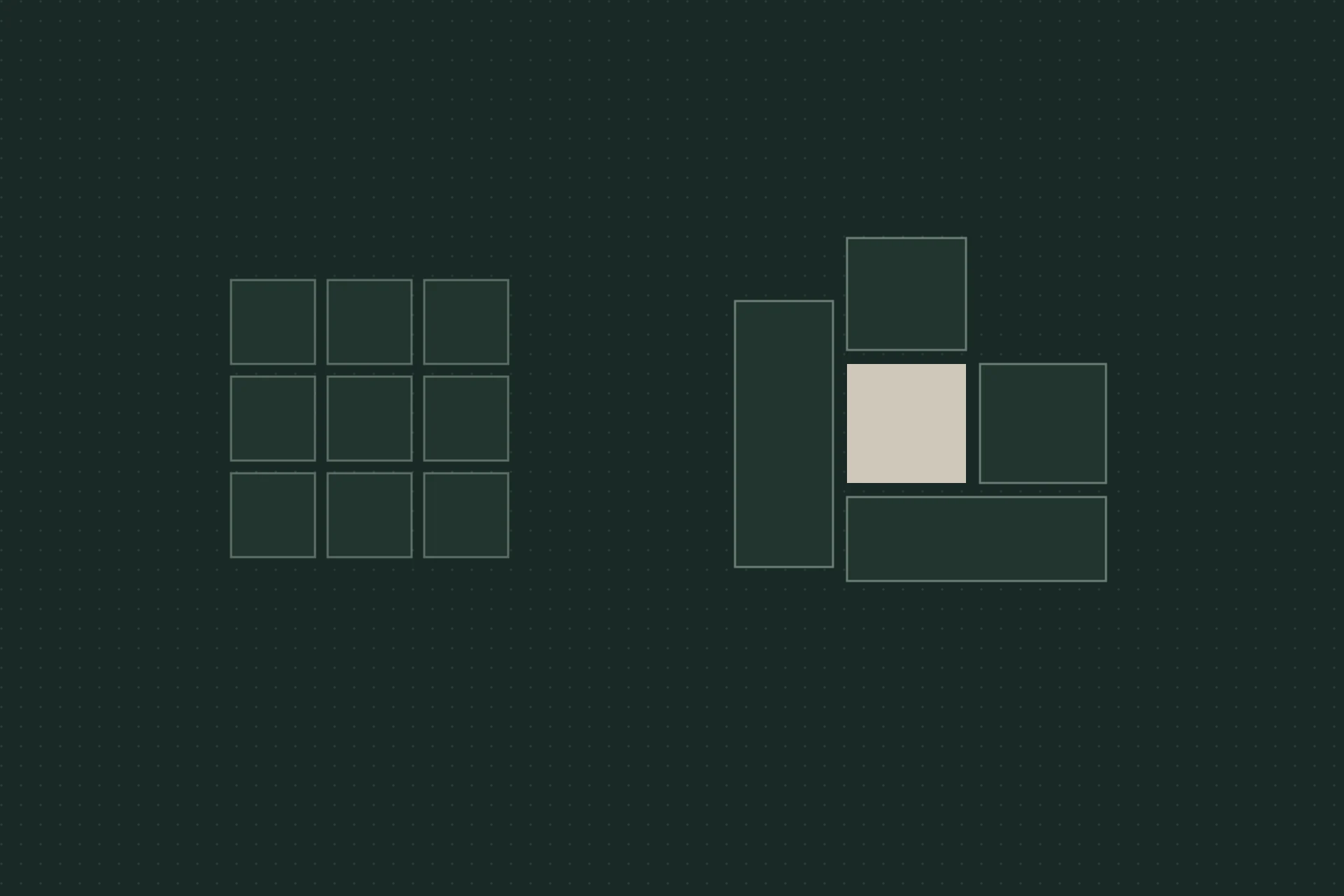
Rent it or have it built: that’s the choice between SaaS and a custom web application in a nutshell. With SaaS you take out a subscription on software that already exists, run by the vendor for many customers at once. A custom web application is developed for your organisation and belongs to you: the source code, the data and the direction the software takes from here.
That difference in ownership sounds abstract, but it shapes almost everything that follows: what you pay, how quickly you can start and how dependent you become on an outside party. We’re honest about it: for many processes, SaaS is the better choice. Just not for all of them, and that distinction can be drawn more sharply than the usual pros-and-cons lists manage.
Ownership is the real difference
With SaaS you rent access. The vendor decides which features arrive, when something changes and what the subscription costs next year. That’s not a criticism: it’s precisely because one party develops the software for all its customers at once that the price per user stays low. It does mean your wishes compete with those of every other user.
With custom software, you own the source code. When your process changes, the software changes with it, the moment you need it to. That freedom calls for a development partner you can trust and clear agreements on ownership and transferability; we’ve written before about how to avoid vendor lock-in on a custom software project.
Costs shift, they don’t disappear
SaaS starts cheap and predictable: an amount per user per month, no upfront investment. But the meter keeps running for as long as you use the software, and it grows along with your organisation. Custom software flips that around: a serious investment at the start, followed by costs for hosting, maintenance and further development that you control yourself.
Which of the two works out cheaper over the years depends on the number of users, how long you need it, and above all on how well the standard package fits. The rules of thumb that circulate online (‘after a few years, custom software always pays off’) are too blunt for our liking. The most expensive option is rarely the subscription or the investment, but software that doesn’t fit: the hours your team loses to workarounds, manual exports and spreadsheets running alongside the package never show up on any invoice.
If your process fits the standard, choose the standard
For processes that work the same way everywhere, SaaS is hard to beat. Bookkeeping, email, payroll, a straightforward sales process: nobody needs to develop that software again, us included. Anyone who proposes custom software for that is selling you something you don’t need.
Custom software wins at the point where your process departs from the standard, and that departure is precisely what sets you apart from the rest. You recognise that point from signals like these:
- Your team routinely works around the package, with spreadsheets and manual patching as the glue.
- The vendor answers ‘that’s not possible’ more often than ‘that’s on the roadmap’.
- You pay for dozens of features, use a handful, and miss the one you actually need that never arrives.
- Your competitors run the same package, so your processes keep looking more and more like theirs.
In practice it’s rarely either-or
Most organisations we talk to do best with a combination: standard software for the processes that can stay standard, custom software for the core that sets them apart, and API integrations that connect both worlds, so nobody has to enter data twice.
Not sure where that line sits in your process? Hold the package you’re considering up against the way your team actually works. Wherever it chafes, that’s where the conversation about custom applications begins: we develop software for exactly that divergent part, and we’re just as quick to say when a subscription will do.